Wilms Cancer Foundation
Defeating Childhood Kidney Cancer
TM


.png)

Wilms Tumor (Nephroblastoma) in Children: Symptoms, Diagnosis, Treatment, Survival, Relapse, Long-term Effects & Childhood Kidney Cancer Support
The international Wilms tumor charity website of the Wilms Cancer Foundation providing the world's most comprehensive free resource dedicated to Wilms tumor (nephroblastoma) and childhood kidney cancer, featuring evidence-based information on symptoms, diagnosis, staging, treatment, surgery, chemotherapy, radiation therapy, relapse, survivorship, long-term effects, clinical trials, patient support, nutrition, and family resources for children, parents, caregivers, survivors, healthcare professionals, and childhood cancer communities worldwide.
WHO Global Status Report on Cancer 2026
What's on this page:
Learn more about the World Health Organization's Global Status Report on Cancer 2026 and the Wilms Cancer Foundation's contribution as an invited expert reviewer. Discover why this landmark report is shaping the future of global cancer control, how it supports the WHO Global Initiative for Childhood Cancer (GICC), and how the Foundation is helping translate international recommendations into practical educational resources, partnerships, and initiatives that benefit children, families, healthcare professionals, researchers, and governments worldwide.
-
Overview
-
About the WHO Global Status Report
-
Why the Report Matters
-
The Foundation's Contribution
-
Supporting the Global Initiative for Childhood Cancer
-
How the Report Aligns with WCF Initiatives
-
Benefits for Children and Families
-
Benefits for Healthcare Professionals
-
Benefits for Researchers
-
Benefits for Governments
-
International Programme Delivery
-
Future Global Collaboration
-
Frequently Asked Questions
Wilms Cancer Foundation Recognised by the World Health Organization as an External Expert Reviewer for Global Report
A significant milestone demonstrating the Wilms Cancer Foundation's growing contribution to international childhood cancer policy, education, and global collaboration.The publication of the World Health Organization's Global Status Report on Cancer 2026 marks an important milestone in the global effort to reduce the burden of cancer and improve outcomes for patients worldwide.
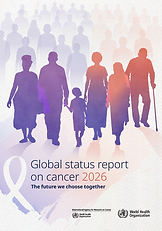
Developed by the World Health Organization (WHO) in collaboration with the International Agency for Research on Cancer (IARC), the report provides a comprehensive assessment of global progress in cancer prevention, early diagnosis, treatment, survivorship, palliative care, health system strengthening, and international collaboration, while outlining recommendations that will help shape future cancer policy and healthcare delivery.
Wilms Cancer Foundation Contributes to Landmark WHO Cancer Report
As part of the report's international development process, the Wilms Cancer Foundation (WCF) was invited by the World Health Organization to participate as an external expert reviewer. The Foundation's Founder and Executive Director, TJ Hodgkinson, contributed to the independent review of the report alongside an international panel of leading oncologists, researchers, healthcare professionals, public health specialists, patient advocates, and representatives from major cancer organizations across the world. The Foundation's participation reflects its growing contribution to international childhood cancer education, advocacy, and global collaboration.
The Foundation is formally recognised within the acknowledgements of the Global Status Report on Cancer 2026, where TJ Hodgkinson (Wilms Cancer Foundation, Canada) is listed among the external expert reviewers who contributed to the report's development. This acknowledgement represents an important recognition of the Foundation's expertise and its commitment to supporting evidence-based international initiatives that improve cancer care and outcomes for children and families worldwide.
The invitation to contribute also reflects the Wilms Cancer Foundation's expanding programme of work in partnership with the World Health Organization and in support of the Global Initiative for Childhood Cancer (GICC). Through its growing portfolio of educational resources, digital innovations, international partnerships, and awareness initiatives, the Foundation is helping translate global recommendations into practical resources that support children, families, healthcare professionals, researchers, governments, and patient organizations. By contributing to one of the world's most influential cancer policy publications, the Foundation continues to strengthen its role as a leading international authority dedicated exclusively to improving outcomes for children affected by Wilms tumor.
What is the WHO Global Status Report on Cancer 2026?
The WHO Global Status Report on Cancer 2026: The Future We Choose Together is the World Health Organization's flagship international publication on cancer control. Developed in collaboration with the International Agency for Research on Cancer (IARC) and contributions from hundreds of experts representing governments, healthcare institutions, universities, international organizations, patient advocacy groups, and people with lived experience of cancer, the report provides one of the most comprehensive assessments of the global cancer landscape ever produced.
Published periodically, the report serves as a strategic roadmap for governments, policymakers, healthcare leaders, clinicians, researchers, and international organizations seeking to strengthen cancer prevention, improve access to care, and reduce inequalities in cancer outcomes. It evaluates progress since previous global assessments, identifies emerging challenges, and sets out evidence-based recommendations designed to guide cancer policy and healthcare priorities over the coming years.
The report examines every stage of the cancer continuum, including prevention, risk reduction, early detection, screening, diagnosis, treatment, surgery, radiotherapy, systemic therapies, survivorship, rehabilitation, supportive and palliative care, health system capacity, workforce development, research, innovation, and implementation of national cancer control programmes. It also evaluates global progress in reducing cancer mortality, strengthening healthcare systems, and improving equitable access to high-quality cancer services.
One of the report's primary objectives is to help governments make informed decisions about cancer control by providing reliable data, international comparisons, and practical recommendations. Its findings are used to inform national cancer strategies, healthcare planning, resource allocation, investment priorities, public health programmes, and international collaboration. By identifying both successful approaches and areas requiring improvement, the report supports countries in developing stronger, more effective cancer control programmes that are tailored to their individual healthcare systems and population needs.
A central theme of the 2026 report is that improving cancer outcomes requires more than medical advances alone. The report calls for stronger healthcare systems, earlier diagnosis, better implementation of proven interventions, greater investment in prevention, improved access to treatment and survivorship services, more robust cancer data, meaningful involvement of people with lived experience, and closer collaboration between governments, healthcare providers, researchers, civil society, and international organizations. It identifies three overarching priorities for the future of global cancer control: better capabilities, better protections, and better value, supported by seven recommendations intended to accelerate progress worldwide.
For childhood cancer organizations such as the Wilms Cancer Foundation, the report provides an important international framework that aligns closely with the objectives of the World Health Organization's Global Initiative for Childhood Cancer (GICC). Its emphasis on equitable access to care, stronger healthcare capacity, professional education, survivorship, international cooperation, and evidence-based implementation reinforces the Foundation's ongoing work to improve outcomes for children affected by Wilms tumor through education, digital innovation, global partnerships, and support for healthcare professionals and families around the world.
Why This Report Matters
The WHO Global Status Report on Cancer 2026 provides a powerful reminder that cancer is one of the defining global health challenges of the twenty-first century. While remarkable advances have been made in cancer prevention, diagnosis, treatment, and survivorship, the report demonstrates that these improvements have not been shared equally. Millions of people continue to experience unnecessary illness, financial hardship, and preventable deaths simply because of where they live, the resources available within their healthcare system, or their ability to access timely care. The report calls for governments, healthcare providers, researchers, patient organizations, and international institutions to work together to close these gaps and improve outcomes for everyone affected by cancer.
The scale of the challenge is significant. According to the report, 20.6 million people were diagnosed with cancer worldwide during 2024, with that figure projected to increase to approximately 35 million new diagnoses every year by 2050. These rising numbers are being driven by population growth, ageing populations, changing lifestyles, and increasing exposure to cancer risk factors. Without sustained investment and coordinated international action, healthcare systems around the world will face unprecedented pressure in meeting future demand.
The report also highlights the extraordinary human impact of cancer. It estimates that one in five people will develop cancer during their lifetime, making it one of the most common serious diseases affecting humanity. However, the impact extends far beyond those receiving a diagnosis. When family members, caregivers, partners, friends, and loved ones are considered, the report estimates that approximately 92% of the world's population will be affected by cancer at least once during their lifetime. These figures illustrate that cancer is not simply an individual health issue—it is a societal challenge that touches almost every family and community around the world.
Beyond its human cost, cancer also places an enormous burden on national economies and healthcare systems. Families frequently face significant out-of-pocket medical expenses, loss of income, and long-term financial hardship associated with treatment and survivorship. The report notes that approximately half of patients and their families experience catastrophic health expenditure, while the global economic cost of cancer between 2020 and 2050 is projected to exceed US$33 trillion. These financial pressures affect not only individual households but also national healthcare budgets, workforce productivity, and broader economic development.
Perhaps the report's most important message is that where a person lives should not determine whether they survive cancer. Although many high-income countries have achieved substantial improvements in early diagnosis, treatment, and long-term survival, major inequalities continue to exist across the world. Children and adults living in low- and middle-income countries (LMICs) often face delayed diagnosis, shortages of trained healthcare professionals, limited access to surgery, radiotherapy and medicines, inadequate survivorship services, and significant financial barriers to care. As a result, survival rates remain considerably lower despite many cancers being highly treatable when diagnosed early.
Recognising these challenges, the report calls for stronger health systems, earlier diagnosis, expanded access to essential cancer services, improved healthcare workforce capacity, greater investment in prevention and survivorship, more equitable financing, and stronger international collaboration. These priorities align closely with the work of the World Health Organization's Global Initiative for Childhood Cancer (GICC) and with the mission of the Wilms Cancer Foundation, whose international programmes seek to improve awareness, education, healthcare capacity, and access to trusted information for children, families, healthcare professionals, researchers, and governments around the world. By translating global recommendations into practical educational resources and collaborative initiatives, the Foundation is helping support the international effort to reduce inequalities and improve outcomes for children affected by Wilms tumor.
Why the Wilms Cancer Foundation Was Invited
The World Health Organization's Global Status Report on Cancer 2026 was developed through an extensive international review process involving leading experts from across the global cancer community. To ensure the report reflected the latest scientific evidence, practical experience, and diverse perspectives, the World Health Organization invited contributions from oncologists, researchers, clinicians, public health specialists, patient advocates, healthcare organizations, and subject matter experts representing institutions from around the world.
As part of this process, the Wilms Cancer Foundation (WCF) was invited to participate as an external expert reviewer. The Foundation's Founder and Executive Director, TJ Hodgkinson, contributed to the independent review of the report, providing perspectives informed by the Foundation's growing international work in childhood cancer education, patient advocacy, and global collaboration. This contribution formed part of the report's wider expert review process and reflects the Foundation's increasing engagement with international initiatives aimed at improving cancer care worldwide. The Foundation's contribution is formally recognised within the report's acknowledgements, where TJ Hodgkinson (Wilms Cancer Foundation) is listed among the external expert reviewers.
The invitation also reflects the Foundation's expanding role in supporting the World Health Organization's Global Initiative for Childhood Cancer (GICC) through the development of educational resources, awareness programmes, and international partnerships designed to improve outcomes for children affected by Wilms tumor. Over recent years, the Foundation has developed a comprehensive portfolio of initiatives—including the Global Wilms Tumor Initiative™ (GWTI), the Wilms Tumor Knowledge Index™ (WTKI), the Wilms Tumor WebApp™, and Wilms Tumor Ai™ (WTAi)—all of which are focused on improving access to trusted, evidence-based information for children, families, healthcare professionals, researchers, educators, and policymakers.
A key strength of the Foundation's work is its ability to translate complex medical evidence into practical educational resources that can be used by diverse audiences around the world. Through its partnership with the World Health Organization and collaborations with international organizations, healthcare institutions, and patient advocacy groups, the Foundation is helping strengthen awareness, support earlier diagnosis, improve treatment knowledge, and enhance survivorship care. These initiatives complement the objectives of the Global Initiative for Childhood Cancer (GICC) by supporting healthcare capacity, promoting equitable access to information, and encouraging international collaboration.
The Foundation's expertise is further strengthened by its exclusive focus on Wilms tumor, the most common childhood kidney cancer. By concentrating solely on this disease, the Foundation has developed one of the world's most comprehensive educational ecosystems dedicated to Wilms tumor, bringing together evidence-based information, digital innovation, global partnerships, and specialist educational programmes. This focused approach enables the Foundation to contribute meaningful insights to international discussions on childhood cancer while supporting the wider goals of improving care, reducing inequalities, and strengthening health systems worldwide.
While the Foundation's role in the Global Status Report on Cancer 2026 was as an external expert reviewer, the invitation represents an important recognition of its growing contribution to the international childhood cancer community. It reflects the confidence placed in the Foundation's educational expertise, collaborative approach, and commitment to supporting evidence-based global initiatives that improve outcomes for children and families affected by cancer. Through continued engagement with the World Health Organization, the Global Initiative for Childhood Cancer (GICC), and other international partners, the Wilms Cancer Foundation remains committed to helping translate global recommendations into practical action that benefits children, families, healthcare professionals, researchers, and health systems around the world.
Supporting the WHO Global Initiative for Childhood Cancer (GICC)
The World Health Organization's Global Initiative for Childhood Cancer (GICC) is one of the most ambitious international health programmes ever established to improve outcomes for children diagnosed with cancer. Launched by the World Health Organization in collaboration with St. Jude Children's Research Hospital under the CureAll framework, the initiative seeks to increase the global survival rate for childhood cancer to at least 60% by 2030, potentially saving one million additional children's lives over the coming decade. Recognising that survival rates vary significantly between high-income and low- and middle-income countries (LMICs), the initiative focuses on strengthening healthcare systems, improving access to quality treatment, and reducing inequalities in childhood cancer care.
The Wilms Cancer Foundation (WCF) is proud to support the objectives of the Global Initiative for Childhood Cancer through its partnership with the World Health Organization. The Foundation's international programmes have been developed to complement the priorities of the GICC by improving access to trusted educational resources, strengthening healthcare professional education, supporting earlier diagnosis, and helping children and families better understand every stage of the Wilms tumor journey.
A key objective of the CureAll framework is to strengthen national healthcare systems so that children with cancer can receive timely diagnosis, effective treatment, comprehensive supportive care, and long-term survivorship services regardless of where they live. The Foundation contributes to these objectives by developing evidence-based educational literature, multilingual digital resources, and practical information that supports healthcare professionals, governments, hospitals, patient organizations, and families in implementing best practice throughout the cancer care pathway.
The Foundation also recognises that early diagnosis remains one of the most effective ways to improve survival for children with Wilms tumor. Delayed recognition of symptoms often results in more advanced disease at diagnosis, particularly in resource-limited settings. Through initiatives such as the Global Wilms Tumor Initiative™ (GWTI), the Wilms Tumor Knowledge Index™ (WTKI), the Wilms Tumor WebApp™, and Wilms Tumor Ai™ (WTAi), the Foundation is helping raise awareness of the early signs and symptoms of Wilms tumor while providing healthcare professionals and families with rapid access to trusted, evidence-based information.
Beyond diagnosis and treatment, the Foundation places significant emphasis on survivorship and long-term follow-up, recognising that successful cancer care extends well beyond the completion of treatment. Educational resources covering late effects, kidney health, fertility, psychosocial wellbeing, long-term monitoring, and quality of life have been developed to support survivors, families, and healthcare teams throughout the lifelong survivorship journey. This work aligns closely with the GICC's vision of delivering comprehensive, patient-centred childhood cancer care.
Professional education is another cornerstone of both the Global Initiative for Childhood Cancer and the Foundation's international strategy. By producing specialist educational literature, digital learning resources, clinical reference materials, and multilingual content, the Foundation helps support physicians, nurses, surgeons, oncologists, allied health professionals, students, and researchers working in diverse healthcare settings. These resources are designed to improve knowledge, encourage earlier recognition of Wilms tumor, strengthen treatment understanding, and promote evidence-based care.
Working alongside the World Health Organization, and through expanding collaborations with international partners including St. Jude Children's Research Hospital, the Wilms Cancer Foundation is helping translate the strategic goals of the Global Initiative for Childhood Cancer into practical action. By delivering educational programmes across priority regions—including South America, Sub-Saharan Africa, and the Middle East—while expanding country-specific initiatives in South Korea and Iran, the Foundation is contributing to a global movement dedicated to improving outcomes for children affected by Wilms tumor.
Learn more about the Foundation's collaboration with the World Health Organization by visiting our WHO Partnership page, where you can explore how this partnership is supporting the Global Initiative for Childhood Cancer through education, innovation, international collaboration, and the development of evidence-based resources for children, families, healthcare professionals, and health systems worldwide.
How the Foundation Is Delivering the WHO Vision
The publication of the WHO Global Status Report on Cancer 2026 reinforces the importance of international collaboration, stronger healthcare systems, professional education, earlier diagnosis, equitable access to treatment, and comprehensive survivorship care. These priorities closely align with the Wilms Cancer Foundation's long-term strategy and the programmes it has developed in partnership with the World Health Organization (WHO) in support of the Global Initiative for Childhood Cancer (GICC).
Recognising that improving outcomes requires more than advances in medicine alone, the Foundation has established a portfolio of complementary initiatives that translate international recommendations into practical resources that can be accessed by children, families, healthcare professionals, researchers, educators, governments, and patient organizations worldwide. Together, these programmes help strengthen awareness, improve access to trusted evidence-based information, support healthcare capacity, and encourage international collaboration across every stage of the childhood cancer journey.
Global Wilms Tumor Initiative™ (GWTI)
The Global Wilms Tumor Initiative™ (GWTI) is the Wilms Cancer Foundation's flagship international programme dedicated to improving awareness, education, advocacy, and collaboration for Wilms tumor worldwide. Developed to complement the objectives of the WHO Global Initiative for Childhood Cancer, the initiative brings together healthcare professionals, hospitals, governments, researchers, patient organizations, and families to improve outcomes for children diagnosed with the disease.
The initiative promotes earlier recognition of symptoms, encourages timely referral and diagnosis, supports healthcare professional education, and facilitates the sharing of evidence-based knowledge across international healthcare networks. Through strategic partnerships, educational campaigns, conferences, and digital resources, GWTI is helping build a stronger global community committed to tackling Wilms tumor while reducing disparities in childhood cancer care.
Wilms Tumor Knowledge Index™ (WTKI)
The Wilms Tumor Knowledge Index™ (WTKI) has been developed as one of the world's most comprehensive educational resources dedicated exclusively to Wilms tumor. Bringing together thousands of pages of specialist information, the platform provides trusted, evidence-based guidance covering symptoms, diagnosis, staging, treatment, surgery, chemotherapy, radiation therapy, relapse, survivorship, long-term follow-up, research, global health, and patient support.
Designed for a diverse international audience, the Knowledge Index supports children, parents, caregivers, healthcare professionals, researchers, educators, students, policymakers, and patient organizations. By making complex medical information easier to understand while maintaining scientific accuracy, the WTKI helps translate evidence into practical knowledge that can be used across a wide range of healthcare and educational settings.
Wilms Tumor WebApp™
The Wilms Tumor WebApp™ has been created to improve global access to trusted educational information by delivering evidence-based resources directly through smartphones, tablets, and desktop computers. Accessible from virtually anywhere with an internet connection, the platform removes many of the geographical barriers that traditionally limit access to specialist childhood cancer information.
The WebApp is particularly valuable in low- and middle-income countries (LMICs) where specialist educational resources may be limited. By providing free access to multilingual guidance on symptoms, diagnosis, treatment, relapse, survivorship, and long-term follow-up, the platform supports families while also serving as a practical reference tool for frontline healthcare professionals working in diverse clinical environments.
Wilms Tumor AI (WTAi)
The Wilms Tumor Ai™ (WTAi) platform harnesses artificial intelligence to help users quickly locate reliable, evidence-based information relating to Wilms tumor. Rather than replacing healthcare professionals, WTAi is designed to improve access to trusted educational resources by helping users navigate complex information more efficiently.
Parents and caregivers can rapidly find answers to common questions, clinicians can identify relevant educational material, students can enhance their understanding of childhood kidney cancer, and researchers can explore specialist topics more effectively. By reducing the time required to locate high-quality information, WTAi supports informed decision-making and encourages greater engagement with evidence-based resources.
Educational Literature Programme
Working in partnership with the World Health Organization, and in support of the Global Initiative for Childhood Cancer (GICC), the Wilms Cancer Foundation is developing an expanding portfolio of multilingual educational literature covering every stage of the Wilms tumor journey. These resources are designed to complement the objectives of the WHO by improving awareness, strengthening healthcare capacity, and supporting better outcomes for children worldwide.
The Foundation's publications provide evidence-based guidance on symptoms, early diagnosis, staging, treatment planning, chemotherapy, surgery, radiation therapy, relapse, survivorship, late effects, and long-term follow-up. Resources are tailored for children, parents, healthcare professionals, researchers, educators, and patient organizations, ensuring that information is both scientifically accurate and accessible to diverse audiences.
The literature programme also supports professional education, helping doctors, nurses, surgeons, oncologists, allied health professionals, and students remain informed about current evidence and international best practice. Through multilingual publication and digital distribution, these resources are helping extend access to trusted educational material across regions where specialist childhood cancer information may previously have been limited.
Together, the Global Wilms Tumor Initiative™, Wilms Tumor Knowledge Index™, Wilms Tumor WebApp™, Wilms Tumor Ai™, and the Foundation's educational literature programme form an integrated ecosystem of resources designed to advance the WHO's vision of stronger healthcare systems, better informed healthcare professionals, empowered families, improved international collaboration, and better outcomes for children affected by Wilms tumor worldwide.
Supporting Children and Families
A childhood cancer diagnosis changes the lives of every member of a family. Parents are suddenly faced with complex medical terminology, urgent treatment decisions, unfamiliar healthcare systems, and significant emotional and practical challenges, while children must cope with the physical and psychological impact of diagnosis and treatment. Recognising these challenges, the Wilms Cancer Foundation has developed a comprehensive portfolio of educational resources designed to support families from the earliest signs of Wilms tumor through diagnosis, treatment, recovery, survivorship, and long-term follow-up.
The Foundation provides evidence-based information that helps families better understand the disease, recognise symptoms, prepare for diagnostic investigations, understand staging and treatment options, and navigate each stage of the childhood cancer journey with greater confidence. Through the Wilms Tumor Knowledge Index™ (WTKI), Wilms Tumor WebApp™, Wilms Tumor Ai™ (WTAi), and multilingual educational literature, parents and caregivers have access to trusted information whenever and wherever they need it.
Beyond medical information, the Foundation recognises the importance of supporting families emotionally and practically. Resources covering survivorship, long-term health monitoring, kidney health, fertility, psychosocial wellbeing, education, returning to everyday life, and family resilience help ensure that support continues long after treatment has finished. By empowering families with reliable knowledge and practical guidance, the Foundation helps reduce uncertainty, encourage informed decision-making, and improve the overall experience of children and families affected by Wilms tumor.
Supporting Healthcare Professionals
Healthcare professionals play a central role in improving outcomes for children with Wilms tumor. Early recognition of symptoms, timely diagnosis, accurate staging, evidence-based treatment planning, multidisciplinary collaboration, and long-term survivorship care all depend upon a well-informed and well-supported healthcare workforce. The Wilms Cancer Foundation is committed to strengthening professional education by providing accessible, evidence-based resources that complement existing clinical guidance and international best practice.
The Foundation's educational programmes support a broad range of healthcare professionals, including family physicians, paediatricians, nurses, paediatric surgeons, surgical trainees, paediatric oncologists, radiation oncologists, radiologists, nephrologists, pathologists, psychologists, allied health professionals, students, and researchers. Educational materials have been developed to provide practical guidance across the complete continuum of care, from early diagnosis through treatment, relapse management, survivorship, and long-term follow-up.
Particular emphasis is placed on supporting clinicians working in low- and middle-income countries (LMICs), where access to specialist educational resources and professional development opportunities may be more limited. Through multilingual literature, digital learning resources, the Wilms Tumor WebApp, and Wilms Tumor AI, the Foundation helps extend access to trusted knowledge that supports healthcare capacity, encourages earlier diagnosis, and promotes evidence-based care across diverse healthcare settings. In doing so, the Foundation contributes to the World Health Organization's vision of strengthening healthcare systems through education, collaboration, and knowledge sharing.
Supporting Researchers
Advances in childhood cancer care rely upon continuous research, innovation, and the effective translation of scientific evidence into clinical practice. The Wilms Cancer Foundation supports this process by helping bridge the gap between research and implementation, ensuring that new knowledge can be more readily understood and applied by healthcare professionals, educators, policymakers, and families.
Through the Wilms Tumor Knowledge Index™, specialist educational literature, and digital learning platforms, the Foundation promotes knowledge translation by transforming complex scientific information into practical, accessible educational resources while maintaining scientific accuracy and integrity. This helps maximise the impact of emerging evidence beyond the academic community and encourages wider adoption of evidence-based approaches to care.
The Foundation also supports international collaboration by working alongside leading hospitals, researchers, healthcare institutions, professional societies, governments, and patient organizations to encourage the exchange of knowledge and best practice. By developing open educational resources that are freely accessible worldwide, the Foundation contributes to a growing international network dedicated to improving understanding of Wilms tumor and accelerating progress in childhood cancer care.
Supporting Governments
Governments play a critical role in reducing the global burden of childhood cancer by developing effective health policies, investing in healthcare infrastructure, strengthening cancer services, and ensuring equitable access to diagnosis and treatment. The WHO Global Status Report on Cancer 2026 highlights the importance of coordinated national cancer strategies, stronger health systems, workforce development, and international collaboration as essential components of improving cancer outcomes worldwide.
The Wilms Cancer Foundation supports these objectives by developing educational resources and international programmes that complement national and regional childhood cancer priorities. Through its partnership with the World Health Organization and support for the Global Initiative for Childhood Cancer (GICC), the Foundation helps governments, ministries of health, healthcare institutions, and policymakers access evidence-based educational materials that support awareness, earlier diagnosis, professional education, survivorship, and long-term healthcare planning.
The Foundation also contributes to capacity building by producing multilingual educational literature, digital resources, and professional education programmes that can be incorporated into national awareness campaigns, healthcare training initiatives, and childhood cancer strategies. By translating international recommendations into practical resources that can be implemented across diverse healthcare systems, the Foundation helps strengthen healthcare capacity and supports countries working to improve outcomes for children affected by Wilms tumor.
Through collaboration with the World Health Organization, St. Jude Children's Research Hospital, healthcare providers, patient organizations, and governments around the world, the Wilms Cancer Foundation continues to support the implementation of sustainable, evidence-based approaches that improve childhood cancer care, reduce inequalities, and strengthen health systems for future generations.
Global Programme Delivery
The WHO Global Status Report on Cancer 2026 recognises that improving cancer outcomes requires coordinated international action that extends beyond individual healthcare institutions and national borders. Consistent with this vision, the Wilms Cancer Foundation has developed a global programme of work designed to support countries where improvements in childhood cancer awareness, education, healthcare capacity, and access to trusted information can have the greatest impact. Working alongside the World Health Organization, in support of the Global Initiative for Childhood Cancer (GICC), and through collaboration with St. Jude Children's Research Hospital and other international partners, the Foundation is delivering educational programmes across priority regions while continuing to expand its international reach.
South America
South America represents one of the Foundation's principal regions of focus, reflecting the priorities of the WHO Global Initiative for Childhood Cancer and the increasing importance of strengthening childhood cancer services across the region. Through partnerships with healthcare institutions, professional organisations, governments, and patient advocacy groups, the Foundation is delivering educational resources that support earlier diagnosis, evidence-based treatment, survivorship care, and professional education.
The Foundation's multilingual educational literature, digital resources, and specialist initiatives are helping improve awareness of Wilms tumor among healthcare professionals and families while supporting the development of stronger healthcare capacity throughout the region. Participation in international conferences and regional partnerships continues to strengthen collaboration with the South American paediatric oncology community and supports the sharing of knowledge and best practice.
Middle East
The Middle East has become another important focus of the Foundation's expanding international programme. Working with regional partners, healthcare organisations, and patient advocacy groups, the Foundation is helping improve awareness of Wilms tumor while supporting healthcare professionals through specialist educational resources and digital learning platforms.
Particular emphasis is being placed on improving access to trusted evidence-based information, supporting earlier diagnosis, and strengthening long-term survivorship care. Through multilingual educational materials and collaborative partnerships, the Foundation is contributing to regional efforts aimed at improving outcomes for children diagnosed with Wilms tumor while encouraging greater international collaboration across the Middle East.
Sub-Saharan Africa
Improving childhood cancer outcomes across Sub-Saharan Africa remains one of the Foundation's highest priorities. Many countries throughout the region continue to face significant challenges relating to delayed diagnosis, shortages of specialist healthcare professionals, limited educational resources, and restricted access to comprehensive childhood cancer services.
Working in support of the World Health Organization's Global Initiative for Childhood Cancer, the Foundation is helping strengthen healthcare capacity through the delivery of multilingual educational literature, digital learning resources, awareness programmes, and professional education initiatives. By making trusted information freely accessible through the Wilms Tumor Knowledge Index™, Wilms Tumor WebApp™, and Wilms Tumor Ai™ (WTAi), the Foundation is helping extend access to specialist educational resources for healthcare professionals, families, and patient organisations across the region.
South Korea
The Foundation has also expanded its programme of work within South Korea through the development of dedicated educational resources and awareness initiatives as part of the Global Wilms Tumor Initiative™ (GWTI). By producing culturally appropriate and multilingual educational materials, the Foundation is supporting children, parents, healthcare professionals, and patient organisations while strengthening international collaboration with the South Korean paediatric oncology community.
These initiatives demonstrate the Foundation's commitment to ensuring that high-quality educational resources are accessible across diverse healthcare systems and linguistic communities, further supporting the objectives of the World Health Organization's Global Initiative for Childhood Cancer.
Iran
Building upon its partnership with MAHAK, one of Iran's leading childhood cancer charities, the Wilms Cancer Foundation continues to expand its educational and awareness programmes throughout Iran. This collaboration supports the development and distribution of evidence-based educational resources designed to assist children, families, healthcare professionals, and patient organisations involved in the diagnosis, treatment, and long-term care of children with Wilms tumor.
Working in partnership with local organisations and international collaborators, the Foundation is helping strengthen awareness, professional education, and access to trusted information while supporting broader efforts to improve childhood cancer outcomes throughout the region.
Future Expansion
While South America, the Middle East, Sub-Saharan Africa, South Korea, and Iran currently represent important areas of programme delivery, the Foundation's long-term vision is truly global. Guided by the priorities of the World Health Organization and the Global Initiative for Childhood Cancer, the Foundation will continue expanding its educational programmes, partnerships, and digital services into additional countries and regions where they can make the greatest contribution to improving childhood cancer outcomes.
Future expansion will focus on developing new international partnerships, increasing multilingual educational resources, strengthening healthcare professional education, supporting governments and healthcare institutions, and improving access to evidence-based information through digital technologies. By combining international collaboration with innovative educational delivery, the Foundation aims to ensure that every child, family, and healthcare professional has access to trusted knowledge regardless of geography or available resources.
Looking Ahead
The publication of the WHO Global Status Report on Cancer 2026 marks not only an important milestone for global cancer control but also the beginning of a new phase in the Wilms Cancer Foundation's international programme of work. Building on its growing partnership with the World Health Organization, its collaboration with St. Jude Children's Research Hospital, and an expanding network of international healthcare organisations, governments, researchers, and patient advocacy groups, the Foundation is well positioned to help translate global recommendations into meaningful action.
In the years ahead, the Foundation will continue expanding the Global Wilms Tumor Initiative™ (GWTI), further developing the Wilms Tumor Knowledge Index™ (WTKI), enhancing the capabilities of the Wilms Tumor WebApp™, and advancing the Wilms Tumor Ai™ (WTAi) platform to improve access to trusted evidence-based information worldwide. Alongside these initiatives, the Foundation will continue producing multilingual educational literature in partnership with the World Health Organization to support the objectives of the Global Initiative for Childhood Cancer (GICC) and strengthen awareness, early diagnosis, treatment knowledge, survivorship care, and professional education.
International collaboration will remain central to the Foundation's strategy. Continued participation in leading scientific conferences, global healthcare meetings, policy forums, and professional education programmes will provide opportunities to strengthen relationships with clinicians, researchers, governments, hospitals, universities, and international organisations while encouraging the exchange of knowledge and best practice.
The Foundation also intends to expand its global implementation programme by increasing the number of countries reached through its educational initiatives, strengthening regional partnerships, and leveraging digital technologies to improve accessibility in both high-income and low- and middle-income countries. Through continued innovation, collaboration, and evidence-based education, the Foundation is committed to helping ensure that every child affected by Wilms tumor—regardless of where they live—has access to better information, earlier diagnosis, stronger healthcare systems, improved treatment knowledge, comprehensive survivorship support, and greater hope for the future.
As the Foundation continues to grow, it remains committed to its vision of becoming the world's leading organisation dedicated exclusively to Wilms tumor education, awareness, advocacy, innovation, and international collaboration, helping transform global recommendations into practical action that improves the lives of children and families around the world.
A Message
"The story of Wilms tumor over the past half-century demonstrates what can be achieved when the global childhood cancer community works together with a shared purpose. Advances in survival have not been driven by a single breakthrough or one organisation acting alone, but by decades of international collaboration between researchers, healthcare professionals, hospitals, governments, charities, and families committed to improving the lives of children affected by this disease. Every improvement in diagnosis, every refinement in surgical techniques, every new chemotherapy protocol, and every advance in survivorship care has been built upon the collective knowledge and experience of thousands of people working across borders.
While remarkable progress has resulted in survival rates exceeding 90% for many children in high-income countries, our work is far from complete. Too many children continue to face barriers to early diagnosis, specialist treatment, essential medicines, and long-term follow-up simply because of where they are born. Geography should never determine a child's chance of surviving cancer.
The future of Wilms tumor care depends upon strengthening international partnerships, sharing knowledge openly, supporting healthcare professionals, investing in research, and ensuring families everywhere have access to trusted information and high-quality care. Through collaboration with organisations such as the World Health Organization (WHO), the Global Initiative for Childhood Cancer (GICC), St. Jude Children's Research Hospital, the International Society of Paediatric Oncology (SIOP), Childhood Cancer International (CCI), and many dedicated partners around the world, we have an opportunity to close the gap in childhood cancer outcomes. Every new partnership, every educational resource, every research collaboration, and every shared experience brings us one step closer to a future where every child diagnosed with Wilms tumor - regardless of where they live - has the opportunity not only to survive, but to thrive."
TJ Hodgkinson
Founder & Chief Executive Officer
Wilms Cancer Foundation
Frequently Asked Questions (FAQs)
What is the WHO Global Status Report on Cancer 2026?
The WHO Global Status Report on Cancer 2026 is a comprehensive international report published by the World Health Organization (WHO) and the International Agency for Research on Cancer (IARC). It evaluates the global burden of cancer, reviews progress in prevention, early diagnosis, treatment, survivorship, and palliative care, and provides evidence-based recommendations to help governments, healthcare organizations, and policymakers improve cancer outcomes worldwide.
Why was the Wilms Cancer Foundation invited to contribute?
The Wilms Cancer Foundation was invited by the World Health Organization to participate as an external expert reviewer, reflecting the Foundation's growing international expertise in childhood cancer education, advocacy, and global collaboration. Its contribution helped review and strengthen one of the world's most important cancer policy publications. The Foundation's Founder and Executive Director, TJ Hodgkinson, is acknowledged in the report among the external expert reviewers.
Who reviewed the WHO Global Status Report on Cancer 2026?
The report was reviewed by an international panel of experts including oncologists, researchers, healthcare professionals, public health specialists, patient advocates, and representatives from leading cancer organizations, universities, and healthcare institutions around the world. This collaborative review process helps ensure the report reflects the latest scientific evidence and global best practice.
How does this report support childhood cancer?
The report highlights the importance of strengthening childhood cancer services through earlier diagnosis, equitable access to treatment, survivorship care, stronger healthcare systems, and international collaboration. It reinforces the priorities of the WHO Global Initiative for Childhood Cancer (GICC) and encourages countries to improve outcomes for children diagnosed with cancer.
How does this relate to the Global Initiative for Childhood Cancer (GICC)?
The report recognises the importance of WHO's Global Initiative for Childhood Cancer (GICC) as a key international programme helping countries strengthen childhood cancer services. The Wilms Cancer Foundation supports the GICC through its partnership with the World Health Organization by developing educational resources, awareness initiatives, and international collaborations that align with the initiative's objectives.
How does this help children with Wilms tumor?
Although the report addresses cancer as a whole, many of its recommendations directly benefit children affected by Wilms tumor. Priorities such as earlier diagnosis, improved treatment pathways, stronger healthcare systems, survivorship care, professional education, and equitable access to services all contribute to improving outcomes for children diagnosed with this childhood kidney cancer.
What is the Global Wilms Tumor Initiative™ (GWTI)?
The Global Wilms Tumor Initiative™ (GWTI) is the Wilms Cancer Foundation's flagship international programme dedicated to improving awareness, education, advocacy, collaboration, and healthcare capacity for Wilms tumor worldwide. The initiative supports children, families, healthcare professionals, researchers, governments, and patient organizations working together to improve outcomes across every stage of the childhood cancer journey.
What is the Wilms Tumor Knowledge Index™ (WTKI)?
The Wilms Tumor Knowledge Index™ (WTKI) is one of the world's most comprehensive educational resources dedicated exclusively to Wilms tumor. It provides evidence-based information covering symptoms, diagnosis, treatment, relapse, survivorship, long-term follow-up, global health, research, and support, serving children, parents, healthcare professionals, researchers, educators, and policymakers.
What is Wilms Tumor Ai™ (WTAi)?
Wilms Tumor AI (WTAi) is an artificial intelligence-powered information service developed by the Wilms Cancer Foundation. It enables families, healthcare professionals, researchers, students, and advocates to quickly access trusted, evidence-based guidance and educational resources relating to Wilms tumor.
What is the Wilms Tumor WebApp™?
The Wilms Tumor WebApp is a multilingual digital educational platform that provides free access to trusted information about Wilms tumor across desktop computers, tablets, and smartphones. Designed to improve accessibility worldwide, it supports families and healthcare professionals by delivering reliable information regardless of geographical location.
How are healthcare professionals supported?
Healthcare professionals benefit through access to evidence-based educational literature, digital learning resources, the Wilms Tumor Knowledge Index™, the WebApp, Wilms Tumor AI, international collaborations, and professional education initiatives developed in partnership with leading organizations, including the World Health Organization. These resources help strengthen knowledge, support clinical decision-making, and improve patient care.
How are governments supported?
Governments benefit from educational resources, awareness programmes, policy collaboration, and evidence-based initiatives that complement national childhood cancer strategies and support implementation of the WHO Global Initiative for Childhood Cancer. The Foundation's work helps strengthen healthcare capacity and improve awareness of Wilms tumor within national health systems.
How are families supported?
Families are supported through free access to trusted educational information, practical guidance, digital resources, awareness materials, and support services covering every stage of the Wilms tumor journey—from recognising symptoms and understanding diagnosis through treatment, survivorship, and long-term follow-up.
How are researchers supported?
Researchers benefit from access to comprehensive educational resources, international collaboration opportunities, evidence-based information, and partnerships that encourage knowledge sharing and support ongoing advances in childhood cancer research. The Foundation also helps translate scientific evidence into accessible educational materials that can be shared globally.
How can I learn more?
You can learn more by exploring the Wilms Cancer Foundation's educational resources, including the Complete Guide to Wilms Tumor, the Global Wilms Tumor Initiative™ (GWTI), the Wilms Tumor Knowledge Index™ (WTKI), the Wilms Tumor WebApp, Wilms Tumor AI (WTAi), and the Foundation's growing collection of global partnerships, research initiatives, educational literature, and international advocacy programmes developed in support of children and families affected by Wilms tumor worldwide.
More News & Media
Stay up to date with the latest news, international partnerships, programme launches, conference participation, press releases, and global developments from the Wilms Cancer Foundation as we work with leading organizations to improve outcomes for children diagnosed with Wilms tumor worldwide.
Read more about News & Media
Latest News
Discover the latest announcements, organizational updates, educational initiatives, international collaborations, and developments from across the Wilms Cancer Foundation.
Read more about News
WHO (GICC & CureAll) Partnership Announcement
Learn how the Wilms Cancer Foundation supports the World Health Organization (WHO), the Global Initiative for Childhood Cancer (GICC), and the CureAll Framework through education, advocacy, international collaboration, and healthcare capacity building.
Read more about WHO, GICC & CureAll
WHO Global Status Report on Cancer 2026
Explore the Foundation's contribution to the WHO Global Status Report on Cancer 2026 and learn how our expertise is helping support international efforts to improve childhood cancer care worldwide.
Read more about the WHO Global Status Report on Cancer 2026
Wilms Tumor WebApp™ Launch
Discover the launch of the Wilms Tumor WebApp™, an innovative digital platform designed to provide parents, healthcare professionals, researchers, and students with free access to trusted, evidence-based information and educational resources.
Read more about the Wilms Tumor WebApp™ Launch
Wilms Tumor AI™ Launch
Learn about the launch of Wilms Tumor AI™, an intelligent educational support platform that helps families and healthcare professionals quickly access reliable information about Wilms tumor, treatment, survivorship, and global resources.
Read more about Wilms Tumor AI™
St. Jude Collaboration
Find out how the Wilms Cancer Foundation is collaborating with St. Jude Children's Research Hospital to strengthen international education, healthcare professional engagement, and global initiatives supporting children with Wilms tumor.
Read more about the St. Jude Collaboration
Conference News
Keep up to date with the Foundation's participation in international pediatric oncology conferences, scientific meetings, educational events, and presentations that help advance global collaboration and knowledge sharing.
Read more about Conference News
Press Releases
Browse the latest official announcements from the Wilms Cancer Foundation, including new partnerships, programme launches, international initiatives, research collaborations, advocacy activities, and organizational milestones.
Read more about Press Releases
Maintain Open Communication With the Oncology Team
Promptly discussing new symptoms or concerns helps ensure children receive appropriate monitoring and care.